
Fret size, fret count and fret material describe different features. A retailer should record crown dimensions, the number of frets and the specified material separately, then let customers compare identified samples. Terms such as medium or jumbo need a supplier reference; rounded ends describe end treatment and do not establish the wire’s dimensions or alloy.
Separate the fields before comparing guitars
A listing that says “24 jumbo frets” combines a count with a size description. It still needs a material field if material matters to the purchase. Another listing may mention rounded ends but provide no size information. Ask for the missing field rather than turning one description into several specifications.
For stock records, give each field its own place: count, size wording, any confirmed crown width and height, material, and end treatment. Keep the source revision beside them. This helps sales staff explain what is actually offered and prevents a later listing update from replacing one precise field with a vague quality claim.
Understand what a size description covers
Fender’s fret-size explanation identifies crown width and height as the relevant dimensions. The tang sits below the crown. A visible photograph cannot establish the hidden tang’s dimensions or a replacement wire’s fit.
Use terms such as narrow tall or medium jumbo with the supplier’s own reference. Different records may use different descriptions or rounded figures. If the customer needs an exact comparison, request the applicable wire code or dimensional specification. Do not assign a familiar part number to an unidentified fret because it looks similar in a photograph.
Keep new-wire specifications and the condition of an installed sample separate. A technician’s assessment of an existing fret is not automatically the original wire specification. A supplier’s nominal crown height likewise cannot describe how much serviceable material remains on a particular instrument. Leave repair conclusions to an assessment of the actual guitar.
| Field | Record | Do not infer |
|---|---|---|
| Fret count | Number stated for the exact model | Scale length or crown dimensions |
| Crown size | Supplier wording, width, height and applicable wire reference | A universal meaning for medium or jumbo |
| Material | Published material description; any unlisted alloy grade remains unconfirmed | Composition from colour or finish |
| End treatment | Published treatment and relevant sample observation | Wire size, alloy or remaining service life |
| Sample condition | Identity, date, visible concern and technician notes when available | A factory defect from an unsupported visual judgement |
Read the S-G25 wording without adding dimensions
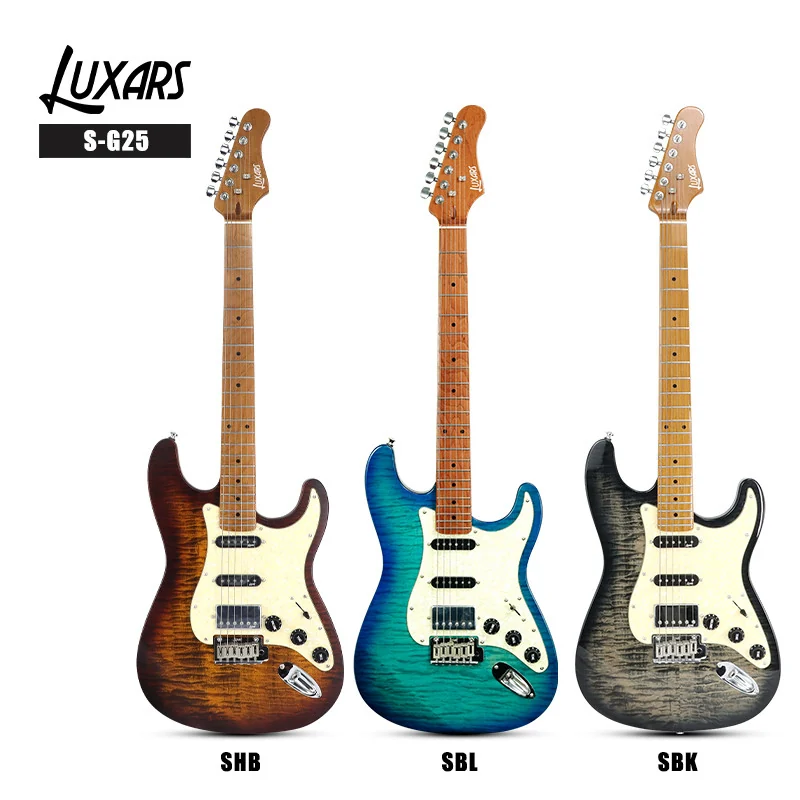
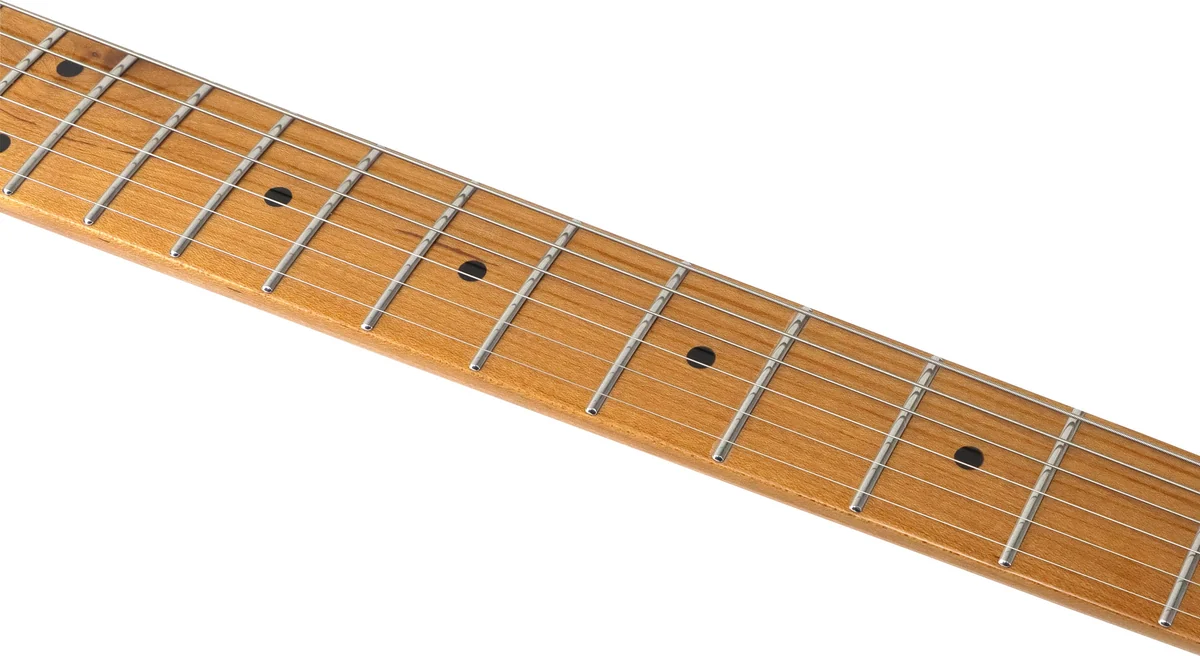
The LUXARS S-G25 currently lists 22 medium stainless-steel frets with rounded ends. That supplies a count, a size description, a material and an end-treatment description. It supplies no numerical crown width or height.
Preserve the stated word medium when preparing a listing. Replacing it with medium jumbo would add a claim. If a buyer requires a specific wire dimension, obtain that information for the offered version before presenting a numerical comparison. Another LUXARS model’s rounded-end description does not establish that it uses the same wire.
Make the playing comparison useful
Ask the customer to play the same short passage on each identified sample. Include the movements they care about, such as chord changes or a bend, and note the fret positions used. Record the observation in their own practical terms. “Prefers this sample during that passage” is more informative than declaring one size right for every player.
Keep strings, tuning and setup context on the comparison sheet. A difference in action or neck condition can affect the demonstration even when the fret descriptions look similar. The action and relief guide covers those separate measurements. Avoid promising a particular playing result from a fret label alone.
Customer preferences can guide a shortlist without becoming claims about measured performance. If someone reports discomfort or catching at an edge, identify the location and sample, then arrange an appropriate inspection. Do not remove metal during a sales demonstration or interpret an end-treatment label as proof that the instrument cannot need attention.
Keep material claims narrow
Use the material declared for the exact model. If a record says only rounded ends, leave the material unconfirmed. If it says stainless steel, retain that wording without adding a hardness figure, expected lifespan or maintenance guarantee that the supplier has not provided.
A retailer can explain why a customer wants the material identified while keeping repair costs and wear expectations outside the specification. Those depend on information this listing does not establish. A comparison table should show the verified field, the source and any unanswered question, rather than using unmeasured claims to create a product ranking.
Refer replacement-wire questions with the right record
For a refret enquiry, give the technician the exact instrument identity, current condition and the requested result. Ask which additional dimensions or inspections they need. A sales description is not sufficient evidence that a replacement wire fits the existing slots, binding or service requirements.
Keep the proposed work separate from the original specification. After a documented repair, update the record for that individual sample where needed. Do not rewrite every unit’s catalogue specification because one instrument has been serviced. The original model record and the serviced-sample record serve different purposes.
Questions at the sales counter
Are 24 frets larger than 22 frets?
Those numbers are counts. Obtain crown dimensions separately when the comparison requires them.
Does stainless steel mean jumbo size?
No. Material and crown size are separate fields. Use the model’s stated wording and request any missing dimensions.
Do rounded ends establish a specific fret-wire code?
No. End treatment does not provide the crown and tang specifications needed to identify replacement wire.
Prepare a clear neck specification enquiry
Review the current electric guitar records alongside the fingerboard-radius guide. Send your shortlisted models and the fret fields you need to compare to sale@luxarsmusic.com. Keep questions about unpublished dimensions explicit.
 English