
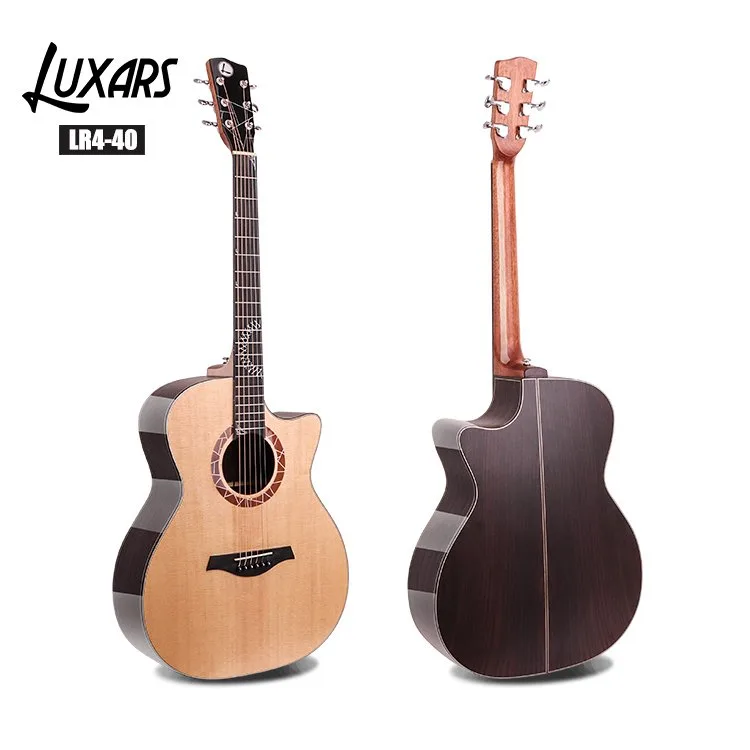
Classical and steel-string acoustic guitars need separate retail explanations. Start with the specified string type, neck and body measurements, intended music and amplification needs. Neither category is automatically easier or better for every beginner; the useful choice depends on the actual instrument and player.
Jump to a section
Nylon and steel-string comparison record
Record each instrument separately before comparing a nylon-string and a steel-string option. Confirm the current model and specified string type for both.
Download the blank comparison record (TXT)
How to complete the record
- For each instrument, record its model, specification source, specified string type and approved replacement-string information. Do not assume string compatibility from appearance.
- Compare scale length, nut width, body dimensions and intended playing or teaching tasks. Keep units and measurement positions with the values.
- Record case requirements, fitted electronics and included items where confirmed. Request missing details before publishing a comparison or proposing a bundle.
Leave unknown values blank and request details for the exact model and version. Use the model’s approved instructions and a suitable technician for adjustment work.
1. Name the string type clearly
Use “nylon-string classical” and “steel-string acoustic” consistently in titles, filters and product tables. The word acoustic can describe both instruments broadly, so it is insufficient as the only category distinction. Use the string type specified for the exact instrument; do not suggest steel-string substitution on a nylon-string classical guitar.
2. Compare the buying questions
| Question | What to record for either category |
|---|---|
| Playing purpose | Repertoire, teaching method, technique and the customer’s preferred response. |
| Fit | Scale length, nut width, string spacing where documented, body dimensions and seated reach. |
| Format | Traditional body, compact, cutaway or specialist amplified format; actual use requirements. |
| Ownership | Correct replacement strings, case fit, included items, required equipment and care instructions. |
3. Let measurements explain neck feel
Traditional classical designs commonly have wider neck proportions, but the exact nut width and geometry belong in the model record. “Wider” does not mean easier or harder for everyone. Compare reach and string spacing with the player’s experience and teaching requirements. Do not turn a general category tendency into a promise of comfort.
Model details for this comparison
The LR5D record below documents an acoustic model’s materials. Request a current nylon-string model specification separately when preparing a classical and steel-string comparison.
LR5D
Published model fields
- Top
- Solid spruce
- Back & sides
- Solid rosewood
- Neck
- Mahogany
Confirm the specified string type, scale length and neck dimensions for the exact instrument before presenting a nylon/steel-string comparison.
Ask about LR5D4. Distinguish traditional and specialist formats
A conventional resonant-body instrument and a slim or silent-practice design are different purchasing choices. Confirm outputs, controls, power, headphone capability and necessary external equipment for each specific model. Do not promise silent practice from appearance alone or assume every electro-classical includes the same functions.
5. Assign separate range roles
A teacher-led nylon-string option, compact steel-string option and cutaway or amplified option can address different requests. These are examples, not a mandatory model count. Choose the balance using your own customer and instructor evidence. More colours do not compensate for an undefined role.
6. Review samples by their intended use
Record finish, neck alignment, fret condition, tuning operation, action observations, bridge condition and contents for both categories. Check string spacing and setup against the actual specification; test electronics when fitted. Keep conditions and accepted corrections traceable without forcing both categories into one tonal standard or invented acceptance limit.
7. Align listings and replacement information
Compare title, short description, table, image captions, category and order record. Publish confirmed materials and dimensions with units. Provide real model photographs and distinguish pictured items from included contents. Keep replacement-string and case information tied to the exact model. Photographs cannot establish hidden construction or safe string compatibility.
Discuss category choices with Luxars Music
Send intended customers, teaching or retail context, preferred formats and missing specifications to sale@luxarsmusic.com. Ask for current model-specific information before preparing a comparison or order.
Related buyer guides
Classical range planning · Acoustic selection
Further reading
Yamaha: choosing classical guitars by musical purpose · Fender: acoustic buying considerations
Explore current product records
Use these product records with the checklist. Then send your shortlist and any missing requirements through the enquiry option below.
 English