
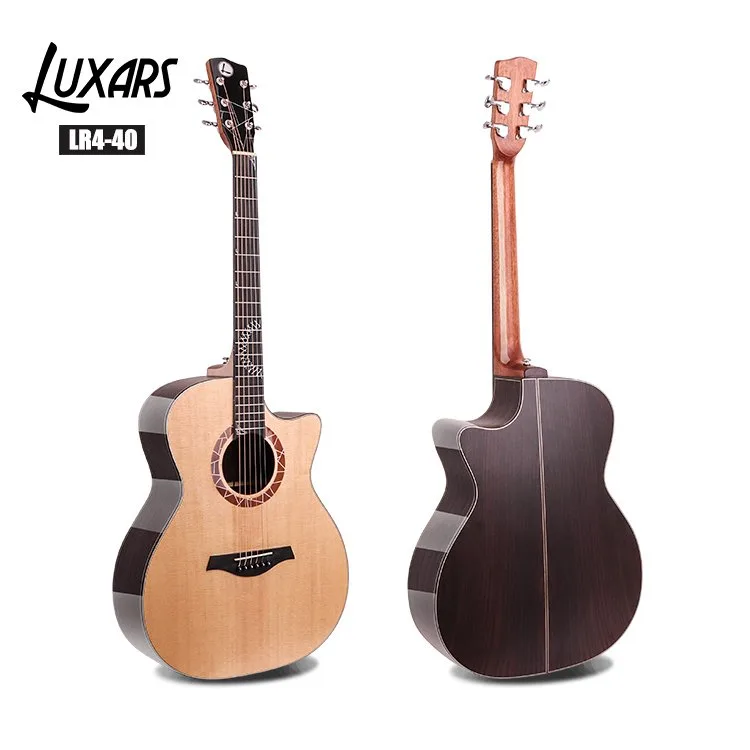
A useful online guitar listing answers the questions a buyer would normally ask while holding the instrument: What exactly is the model? How large is it? Which materials, strings, hardware and electronics does it use? What is included? Clear photographs and a consistent specification table should answer those questions together, without forcing the seller to correct conflicting information later.
The short answer
Build every listing from one approved product record. Give each model a stable name and code, define the required specification fields for its category, and connect each important field to a photograph that proves or explains it. A front image identifies the product, but it cannot show neck profile, control layout, bridge type, output connections or packaging. The complete image set and the written data must therefore be reviewed as one package.
Five rules that prevent most listing problems
- Use one exact model code, product name and finish name across files, listings and quotations.
- Photograph the actual configuration being offered, including pickups, controls, bridge and included accessories.
- Keep category-specific fields instead of forcing acoustic, classical and electric guitars into one generic template.
- Separate confirmed specifications from sales descriptions so that factual data stays easy to update.
- Review the listing on a phone before release; the most important facts should not depend on zooming or horizontal scrolling.

Start with one approved product record
The safest workflow is to approve the data before adapting it for different platforms. The record can be a spreadsheet, product information sheet or catalog database, but it needs an owner and a revision date. Marketplace titles may vary in length, yet the underlying model code, configuration and measurements should not change from one channel to another.
Begin with identity fields: brand, category, model code, model name, color or finish, and version. If two guitars share a body shape but use different pickup layouts or hardware, the distinction should be visible in the product code or version field. Avoid relying on filenames such as “new model final 2.” A clear filename such as model-code-black-front.webp is easier for a distributor, designer and marketplace team to recognize.
The minimum image set for a guitar listing
| Image | What it should show | Data it supports | Common mistake |
|---|---|---|---|
| Main view | Complete instrument, accurate color and clean outline | Model identity, body format and finish | Using a different configuration as a placeholder |
| Front and back | Body, neck, headstock and rear construction | Materials, cutaway, neck joint and hardware position | Cropping out the headstock or lower body |
| Neck and headstock | Nut, tuners, fingerboard, fret access and branding | Nut width, scale, tuner type and neck details | Providing a decorative close-up with no useful orientation |
| Hardware or electronics | Pickups, bridge, knobs, switches, output and preamp panel | Pickup configuration, controls and connections | Text specification does not match the photographed layout |
| Size reference | Dimension diagram or clearly labelled measurements | Overall length, body width/depth and scale length | Showing dimensions without units |
| Included items and packaging | Every supplied accessory and the shipment presentation | Package contents and receiving expectations | Placing optional accessories in the photograph without a label |
Image order matters. On mobile, many buyers will see only the first few images before deciding whether to continue. Put the complete instrument first, followed by the reverse view and the detail most important to that category. An electric guitar needs an early view of the pickup and control layout. An acoustic listing usually benefits from a body, bridge and neck view. A nylon-string product should make the string type and neck format unmistakable.

Use category-specific specification fields
A specification table should make comparison easier, not simply make the page longer. Some fields belong to every guitar: model code, category, finish, scale length, overall dimensions, neck and fingerboard materials, number of frets, included items and packaging. Other fields depend on how the instrument is built and sold.
Acoustic and classical guitar fields
State whether the guitar uses steel or nylon strings. Add the body format or size, scale length, nut width, top material, back and side materials, neck and fingerboard materials, bridge material, cutaway status and finish. If electronics are installed, name the pickup or preamp type and show the control and output positions. Do not assume that “acoustic” tells the buyer the string type or neck feel.
Electric guitar fields
Record body construction, body material, neck construction, neck and fingerboard materials, scale length, fret count, pickup configuration, selector positions, volume and tone controls, bridge type, tuner type and finish. Pickup shorthand can be useful for experienced buyers, but the full description should still appear. A photograph of three pickups does not explain which positions are single-coil or humbucking, and a written HSS label is not enough if the image shows a different layout.

Measurements need labels, units and a method
Dimensions become unreliable when the measurement point is unclear. Specify whether length means the complete instrument or the body only. Label body width, body depth, scale length and nut width separately, and use the same unit system throughout a listing. If a marketplace requires both metric and imperial values, convert them from one approved source rather than measuring the product twice and creating small conflicts.
Scale length and nut width are especially useful because they help describe playing geometry, but they are not interchangeable with overall size. A compact body can still use a different scale than expected, and two full-size guitars can have different nut widths. The written field and the dimension image should use the same term.
Need listing-ready product information?
Tell LuxarsMusic which guitar categories and sales channels you are preparing. We can discuss the product information, images and specification fields needed for your range.
Keep names and values consistent across channels
Consistency is more than spelling. A finish called “natural satin” in one file should not become “natural matte” elsewhere unless those are intentionally different finishes. Material terms should follow an agreed vocabulary. If a field is not confirmed, mark it for review instead of guessing from an image. The same rule applies to included bags, cables, tools or spare parts: optional items should not appear as standard package contents.
When a product changes, update the master record first and give the revision a date. Then replace the affected image, specification sheet and channel listing together. This is particularly important when hardware or electronics change while the body shape stays the same; an old main image can look plausible even though the controls no longer match.
Write for the phone screen
A mobile listing should reveal the model, category, main differentiator and essential specifications without a wall of text. Use short field labels, real headings and compact paragraphs. Avoid placing critical data only inside an image because it may be difficult to read, translate or search. Image text can support the specification table, but it should not replace selectable page text.
Crop consistently so that a buyer can compare models without each instrument changing apparent scale or position. Keep backgrounds and lighting close enough for finish differences to remain understandable. Before release, check the first image, table width, button, email link, WhatsApp link and inquiry form on a narrow screen.

A pre-publication listing checklist
- Confirm brand, model code, name, category, finish and version.
- Match the photographed instrument to the written hardware and electronics.
- Check scale length, nut width and overall dimensions with labelled units.
- Use the correct material fields for the guitar category.
- List included items separately from optional accessories.
- Rename image files clearly and write accurate alt text.
- Check front, back, neck, hardware, dimensions and packaging coverage.
- Compare the marketplace listing with the approved product record.
- Review the first screen, image order, table and inquiry path on mobile.
- Record the approval date so later revisions can be traced.
Frequently asked questions
How many images should a guitar product listing include?
There is no useful universal number, but the set should cover the complete instrument, front and back, neck and headstock, category-specific hardware or electronics, dimensions, included items and packaging. Add an image only when it answers a buyer question or confirms a feature.
Which guitar specifications matter most online?
Start with model identity, category, finish, string type, body format, scale length, nut width, materials, fret count and included items. For electric or amplified products, add pickups, controls, bridge and connections. The exact field set should follow the category.
Can sellers reuse one image for several finishes?
A shared detail image may explain construction when the part is genuinely identical, but the main image should show the finish and configuration being offered. Label any representative image clearly so it cannot be mistaken for the exact variant.
Should dimensions appear in an image or in text?
Use both. A labelled diagram makes the measurement points easy to understand, while selectable text is easier to read, translate, compare and index. The values and units must match.
How should a distributor handle a specification change?
Update the approved product record first, add a revision date, and identify every affected image, sheet and listing. Replace them as one controlled update rather than correcting channels independently.
Request listing-ready information
LuxarsMusic has worked with guitar product development and channel requirements since 2016. If you are preparing an online catalog for acoustic, classical or electric guitars and accessories, tell us your market, sales channel and the product categories you need to present. We can discuss a clearer information package for your range.
Read our guides on evaluating guitar specifications and building a beginner-to-intermediate range, or browse LuxarsMusic products. You can also contact us through WhatsApp +86 13620576554 or info@luxarsmusic.com.