Before beginning a guitar distribution partnership, confirm how the brand handles product range decisions, specifications, samples, packaging, sales materials, order communication and after-sales cases. The strongest questions are practical: they reveal whether both sides can keep product information accurate, make decisions on time and support the same market after the first order.
The short answer
A distributor should not judge a potential guitar partner from a catalog alone. Start by defining the customers and sales channels the range must serve. Then ask for clear product records, a sample process, written confirmation points, packaging information and a named communication path for changes or problems. A useful first conversation should show how decisions will be made, not merely how many models are available.
Six questions to answer before discussing individual models
- Which customer groups and sales channels should the range support?
- Which acoustic, classical, electric or accessory categories have a clear role in that market?
- How will specifications, finishes and included items be approved?
- What should a sample confirm before an order decision?
- Which product images, listing fields and documents can be supplied?
- How will changes, receiving issues and after-sales cases be recorded and resolved?

1. Does the product range fit your market?
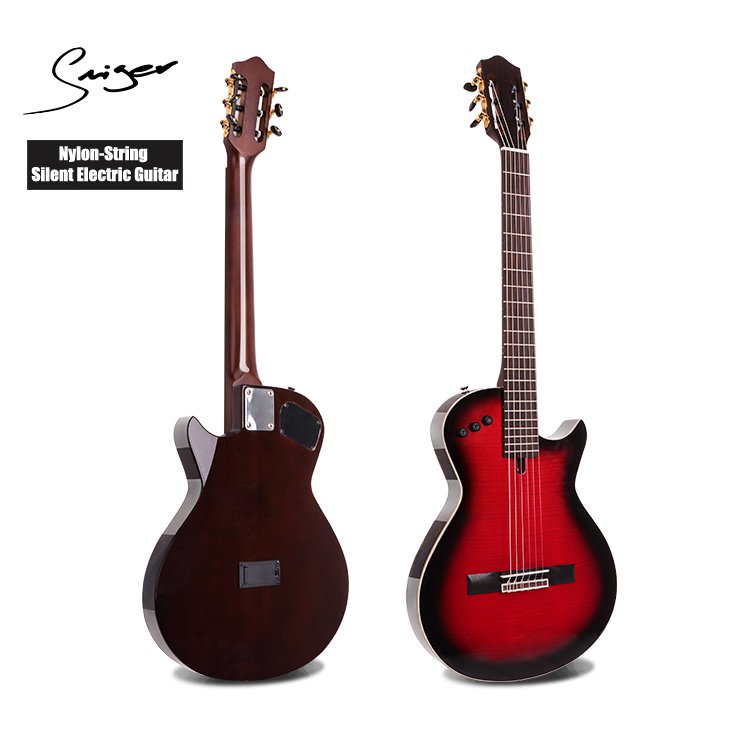
Begin with the buyer, not with the number of available products. A neighborhood music shop, a regional distributor, an online seller and a music-school supplier may all need guitars, but they do not build the same assortment. Ask the brand to discuss which categories and product roles match your channel: entry-level acoustic models, nylon-string instruments for learners, electric guitars with clearly differentiated pickup layouts, or accessories that support replacement and maintenance needs.
The discussion should also identify gaps and overlap. If several models differ only in a small cosmetic detail, each additional SKU may make listing, stocking and staff training more difficult without giving the customer a meaningful choice. On the other hand, one model cannot serve every player. A practical range gives each item a reason to exist: a distinct user, construction, size, configuration, finish group or channel role.
2. How are specifications confirmed?
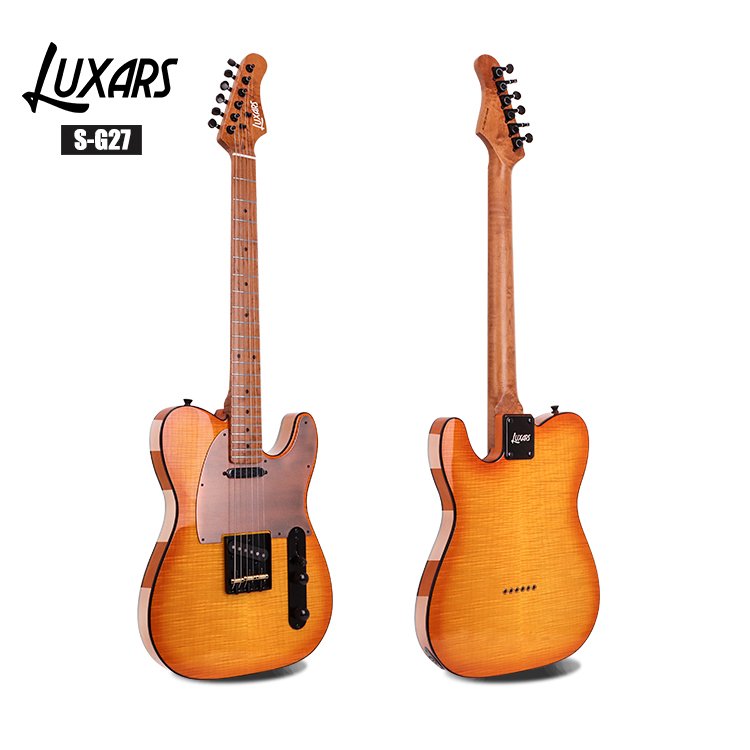
Ask for a product record that can be reviewed before ordering and reused by sales, catalog and customer-service teams. At minimum, it should identify the brand, category, model code, finish and version. The remaining fields depend on the instrument. Acoustic and classical guitars need clear string type, body format, scale length, nut width, main materials, cutaway status and electronics where applicable. Electric guitars need body and neck construction, scale length, fret count, pickup configuration, controls, bridge, tuners and finish.
Clarify which document is the approved source if a quotation, catalog, marketplace listing and image caption disagree. Also ask how specification revisions are dated. Small hardware or electronics changes can be easy to miss when the body outline remains familiar. A stable model code and visible revision record reduce the risk of selling one configuration while receiving another.
3. What exactly should the sample confirm?
A sample is most useful when both sides agree on the questions it must answer. Before it is reviewed, prepare a checklist covering model identity, finish, dimensions, neck feel, fret condition, hardware operation, electronics, included items, packaging presentation and the accuracy of product information. Record observations with photographs and precise notes instead of relying on a general reaction such as “looks good.”
Ask whether the sample represents the intended order configuration and how any requested adjustment will be documented. If a different finish, pickup layout or package is later selected, the approved record should be updated rather than assuming the first sample covers every variation. The aim is not to create unnecessary paperwork; it is to make the order decision traceable.
4. What product information will support your sales channel?
For an online seller, product support begins before the shipment arrives. Ask what image views, dimensions, specification fields, finish names and package-content details can be supplied. A useful image set normally includes the complete instrument, front and back, neck and headstock, category-specific hardware or electronics, a size reference and included items. The photographed configuration must agree with the written data.
Retail stores also benefit from accurate information. Staff need a concise way to distinguish models, answer questions and explain why two instruments belong in different positions in the range. Confirm whether names and values can remain consistent across the brand record, distributor catalog, website and quotation. Translation may change sentence structure, but model codes, dimensions and configurations should not drift.
| Area to confirm | Evidence to request | Why it matters | Warning sign |
|---|---|---|---|
| Range fit | Category and model-role discussion | Prevents overlapping or channel-mismatched SKUs | Recommendations are unrelated to your customer groups |
| Specifications | Dated model record or approved sheet | Keeps quotation, listing and received product aligned | Different files use conflicting values |
| Sample review | Configuration and inspection checklist | Makes approval criteria clear | The sample version is not identified |
| Packaging | Package contents and receiving information | Supports handling and arrival checks | Optional items appear as standard contents |
| Sales materials | Images, dimensions and listing fields | Helps the distributor prepare accurate pages | Images show a different configuration |
| After-sales | Issue-reporting and response process | Creates a shared record for diagnosis | No owner or required evidence is defined |
Planning a guitar range for your market?
Tell LuxarsMusic about your country, sales channel and the acoustic, classical, electric or accessory categories you are considering. We can start with the questions that matter to your range.
5. How are packaging and receiving requirements handled?
Packaging questions should be specific. Confirm what is included with the instrument, how the model and finish are identified, which documents accompany the goods and what the distributor should inspect when the shipment is received. If your channel needs a particular barcode, language label, carton mark or product-information insert, raise it during planning so it can be reviewed as part of the order record.
Ask how packaging changes are approved and photographed. A clear reference is useful for the receiving team because it distinguishes a genuine discrepancy from a difference in how the goods were unpacked or recorded. It also helps customer service confirm which accessories were standard for that model and version.

6. Who owns communication at each decision point?
Good communication is not simply a fast reply. Ask who confirms specifications, who records sample feedback, who coordinates order details and who receives an after-sales report. Define which decisions require written approval. A short written summary after a call can prevent later confusion about a finish, accessory, image or packaging requirement.
It is also worth agreeing on a simple issue format. A useful report identifies the model code and version, quantity affected, date received, clear description, photographs or video, packaging condition and the action already taken. This gives both parties enough context to separate an isolated handling issue from a repeated product or information problem.
7. What does after-sales support mean in practice?
A broad promise of “good service” is difficult to evaluate. Ask which evidence is needed when reporting a problem, how cases are acknowledged, how responsibility is reviewed and how corrective information reaches the distributor. Some questions can be resolved through setup guidance or a replacement component; others require a different response. The important point is to have a repeatable path rather than inventing one after a customer is waiting.
Support also includes preventing avoidable questions. Accurate specifications, clear package contents, useful images and consistent model names reduce misunderstandings before purchase. When the same issue appears more than once, both sides should be able to connect the reports and review whether the product record, packaging information or inspection step needs to change.
A practical partnership review checklist
- Describe your target customers, market and sales channels.
- Give every proposed model a defined role in the range.
- Remove unnecessary overlap before expanding the assortment.
- Confirm model code, finish, configuration and category-specific specifications.
- Define what the sample must demonstrate and how feedback will be recorded.
- Match product photographs to the approved configuration.
- List standard package contents separately from optional items.
- Confirm any labeling, language or channel-document requirements.
- Name the contact responsible for each approval point.
- Agree on the information required for receiving and after-sales reports.
- Record revisions when a product, image, document or package changes.
- Review the process after the first order and correct weak steps before expanding the range.
Frequently asked questions
What should a distributor prepare before contacting a guitar brand?
Prepare a short description of your country or region, customer groups, sales channels, current guitar categories and the gap you want to fill. You do not need a final model list, but a clear market brief makes the first range discussion more useful.
Should every potential model be sampled?
The sample plan should reflect the differences that matter. When several variants share the same confirmed construction, it may be more useful to review representative configurations and separately verify the changed finish, electronics or package. The distributor and brand should agree on that scope in writing.
Which documents are most important before an order?
Prioritize the quotation or order record, approved model specifications, finish and version details, package contents, labeling requirements and any sample-feedback decisions. Sales images and listing data should be checked against the same approved source.
How can a distributor compare two guitar brands fairly?
Use the same review framework for both: market fit, specification clarity, sample process, information support, packaging coordination, communication ownership and after-sales procedure. A larger catalog is not automatically a better fit if the product records and working process are unclear.
When should the partnership process be reviewed?
Review it after the first sample decision, after the first receiving cycle and whenever a repeated information or product issue appears. The goal is to improve the shared process before adding more models or channels.
Start a distribution conversation
LuxarsMusic has worked with guitar product and channel requirements since 2016. If you are planning an acoustic, classical, electric guitar or accessories range, share your market, sales channel and the product roles you need. We can discuss the specifications, samples, information and coordination questions before you decide on the next step.
For more preparation, read our guides to evaluating guitar specifications, preparing product images and listing data, and building a balanced guitar range. You can also browse LuxarsMusic products, contact us on WhatsApp +86 13620576554, or email info@luxarsmusic.com.
 English