
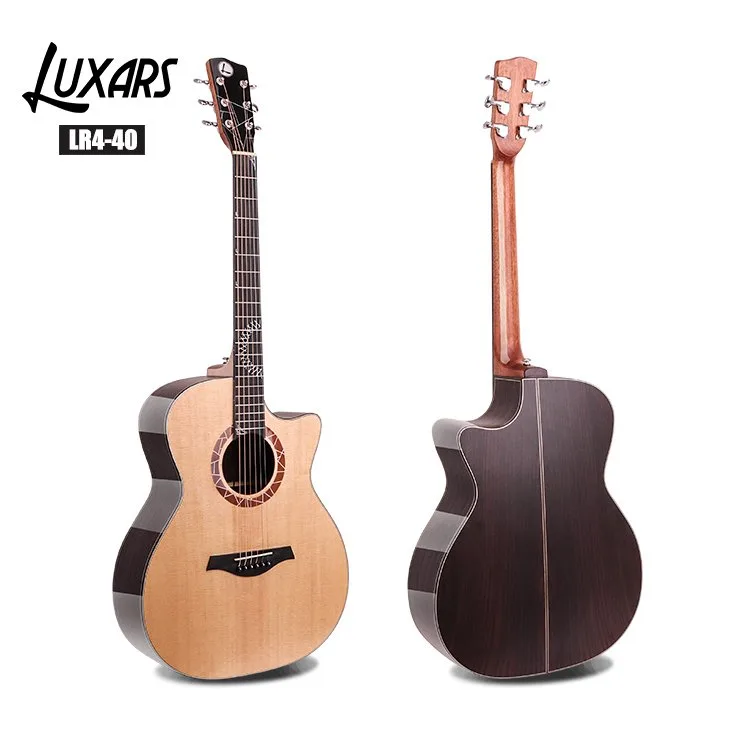
A guitar listing needs one approved product record and photographs of the configuration being offered. Use the record to control model names, dimensions, materials, electronics and contents across channels. Use photographs to explain appearance and visible features; they cannot establish hidden material grades, construction or an entire electronic circuit.
1. Control the identity before exporting files
Assign an owner and revision date to brand, category, model, variant and finish fields. Distinguish configurations that share a body shape. Marketplace title lengths may differ, while codes and factual values remain consistent. Use descriptive filenames that identify model, finish and view; a filename is an organizational aid, not evidence of a specification.
2. Plan images around buyer questions
| View | Useful coverage |
|---|---|
| Main and reverse | Complete instrument, selected finish, front/back shape and visible configuration without cropping off the headstock or body. |
| Neck and hardware | Headstock, tuners, fingerboard, bridge, pickups, controls and output where fitted, with enough context to locate each detail. |
| Dimensions | Clearly identified measurement points, values and units matching the written record; no invented measurements. |
| Contents and packaging | What the SKU actually includes, with optional or representative items clearly identified. |
There is no universal image quota. Put the complete product early, then the reverse and the category’s important detail. A reused detail image must genuinely apply to the selected variant and be labelled when representative; the main image must identify the actual finish/configuration. Confirm usage rights and permitted modifications before distributing brand photographs.
3. Keep category-specific data in selectable text
For acoustic/classical instruments, confirm steel or nylon strings, body format, scale, nut width, top/back/side materials, neck, fingerboard, bridge, fret count, cutaway and finish. Add pickup/preamp, controls and output when fitted. For electrics, include body/neck construction, confirmed materials, scale, frets, pickup types/layout, selector functions, controls, bridge and tuners. Explain abbreviations rather than relying on HSS or HH alone.
Separate total length from body length, scale from body size, and nut width from other widths. State units and measurement points; create conversions from the same approved source. Keep essential facts in readable HTML even when a dimension image also illustrates them. Appearance cannot verify a hidden material field.
4. Check the selected variant and phone experience
Match the offered finish, handedness, pickups, bridge and package to both images and data. Keep optional bags, cables and tools separate from standard contents. Maintain repeatable lighting and crop scale without changing product appearance. Correct ALT text should explain the visible image, not list unrelated search terms.
On a phone, check first image, reading order, text size, table width and contact/purchase action. Compress and deliver appropriately sized images while retaining needed detail. Critical information should remain usable when an image fails, a carousel is not opened or the visitor does not zoom.
5. Publish revisions as a connected update
Update the master record first, then the affected pictures, sheet, page and downstream feeds. Recheck variant selections after a hardware or electronics change even when the body outline looks unchanged. Keep model/finish vocabulary stable and mark unconfirmed items for internal resolution instead of guessing.
Before release, have the responsible reviewer compare identity, configuration, measurements, materials, inclusions, image rights and mobile behaviour with the approved record. Save the revision and approval date so later listing or receiving questions can be traced.
Request product information
Tell Luxars Music your market, sales channel, model references and required fields through sale@luxarsmusic.com or the form below. Image availability and permitted use need confirmation for the actual request.
Related buyer guides
Reviewing guitar specifications · Acoustic guitar product pages
Send your requirements
Explore current product records
Use these product records with the checklist. Then send your shortlist and any missing requirements through the enquiry option below.
 English