
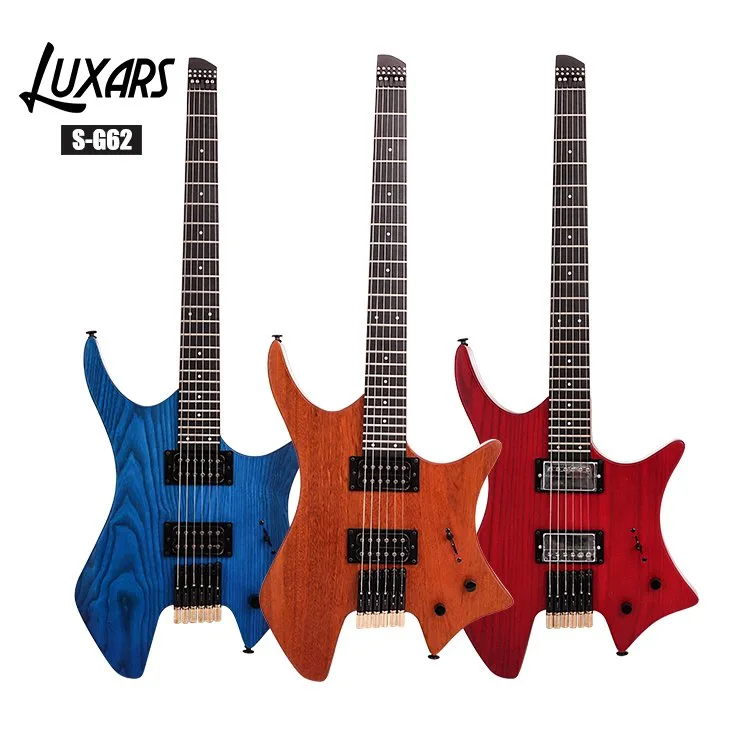
The same guitar catalog can serve very different buying journeys. A customer in a music store can try an instrument and ask a salesperson; an online buyer relies on accurate images and specifications; a school needs predictable fitting and maintenance; a distributor must make the range workable for several downstream customers. Product selection should begin with the channel’s job, not with the largest available model list.
Define the decision the channel must support
For each channel, write down who chooses the instrument, what information they can see before purchase and what support they will expect afterward. A store may need a playable comparison between entry and step-up options. An e-commerce listing may need dimensions, clear front-and-back images and an unambiguous included-item list. A school may need a size and fitting conversation. A distributor needs stable identifiers that several retailers can use consistently.
Do not equate a category label with a customer need. “Acoustic guitar” covers different body shapes, sizes and feature sets. Select the first few model roles only after the intended buyer and comparison question are clear.
Build a small, distinct role for each model
Write a one-sentence reason for every proposed SKU: what use case or decision does it answer that the neighboring SKU does not? Distinctions may involve guitar type, size, body shape, pickup configuration, playing context or a clearly documented feature. A new finish can be valuable to a display, but it should not automatically be treated as a new functional role.
Review the role with the people who will sell and support the instrument. If a salesperson cannot explain the difference, or an online product page cannot show it accurately, the selection may be too broad or the data may be incomplete. Our guide to reducing overlapping guitar SKUs gives a more detailed consolidation method.
Translate the role into channel-ready information
A retail store needs a short comparison script, playable examples and a clear handoff for accessories or service questions. An online seller needs verified specifications, consistent images, accessible text and a clear returns or issue-routing process appropriate to its terms. A school buyer should validate size, fitting, learning stage and maintenance responsibilities rather than treating a size label as a universal rule.
For distribution, identifiers, product data and package information should survive transfer between wholesaler, retailer and end customer. A model that looks attractive in a catalog but cannot be described consistently across those handoffs creates avoidable work.
Pilot before expanding the range
Start with a focused set of roles and review actual evidence: qualified questions, sample feedback, listing completeness, order patterns, service issues and SKU confusion. Record the period and denominator before making a decision. A few comments from one store do not prove a market-wide preference.
Agree how an added model will be judged. If it mainly shifts attention away from an existing SKU without answering a distinct need, pause and revisit the range. If it solves a documented channel problem, make its product information and support plan ready before rollout.
Buyer checklist
- Name the buyer and comparison question per channel
- Give every SKU one distinct role
- Verify product data and images for the sales format
- Define receiving and after-sales information needs
- Review evidence before adding more variants
Frequently asked questions
Should every channel carry the same guitars?
Not necessarily. Share a consistent product record, but choose the assortment and supporting information for each channel’s buying journey.
Is a new color a new assortment role?
It may have a merchandising role, but do not confuse that with a functional difference unless the underlying product also changes.
How many models should a pilot include?
There is no universal count. Use the smallest set that lets the channel compare the important customer needs without unnecessary overlap.
Continue your review
- Browse Luxars Music products
- Packaging and After-Sales Information Guitar Buyers Should Confirm
- How to Reduce Overlapping SKUs in a Guitar Catalog
- More buyer guides
Discuss your requirements
Tell Luxars Music which channels you sell through, what categories you are considering and where buyers need clearer comparisons. We can discuss a focused product-information review for your market.
Discuss your requirements · WhatsApp +86 13620576554 · sale@luxarsmusic.com
 English