
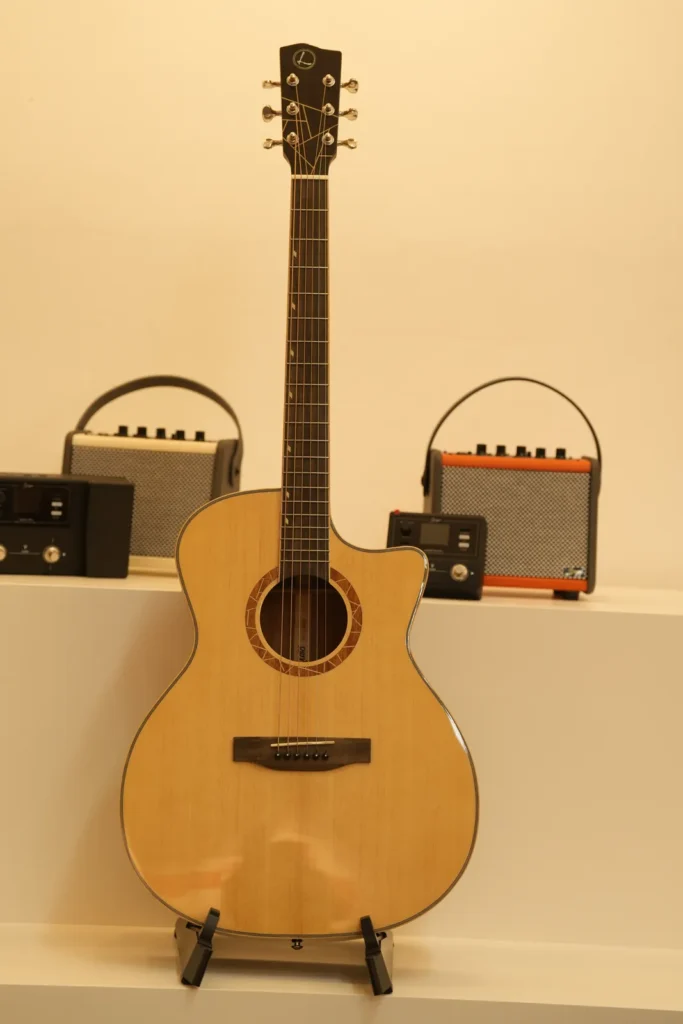
A receiving inspection connects delivered guitars to the purchase order and preserves evidence before it is disturbed. Prepare the receiving file, verify carton identity and count, photograph the exterior, open selected units carefully, confirm contents, check condition and function, and isolate exceptions for review. Use the agreed inspection scope and the applicable carrier or insurance procedure; this checklist does not set LUXARS warranty or claim terms.
1. Prepare the file, area and sample plan
Have the final order, invoice, packing list, model allocation, approved specification, sample record and packaging reference ready. Name the receiver, technical reviewer and person responsible for communicating exceptions. Prepare a clean, padded, well-lit area and a clearly identified quarantine space.
Use tools appropriate to the agreed checks: camera, tuner, accurate ruler, flashlight, clean cloth, setup gauges and a known cable/amplifier for electric instruments, with gloves or a barcode scanner where useful. Having a tool available does not authorize an adjustment.
Agree sampling before arrival. Every carton may need a count and label check while detailed instrument inspection uses an agreed sample. Consider order size, model and finish mix, route, packaging and previous findings. There is no universal inspection percentage; follow any contractual sampling requirement and expand the sample when repeated or serious findings justify it.
2. Record shipment identity and exterior condition
Before opening, record arrival date/time, carrier or forwarder reference, relevant vehicle/container or seal information, carton/pallet count and receiver. Compare labels, model/SKU, quantity, finish, carton number and required marks with the packing list. Note count differences before breaking down the shipment.
- Photograph the full shipment and each side of visibly affected cartons, including corners, seams, punctures, compression, moisture and opened areas.
- Include wrap, straps and protection where used, the shipping label and carton identifier, carton orientation and any delivery-document notation.
- Use a wide view, a label view and focused details; keep original files. A close-up without a carton reference is difficult to investigate.
A clean carton does not prove the guitar is undamaged; a scuffed carton does not prove it is damaged. Record observations before assigning cause. FedEx guidance calls for retaining original packaging for possible inspection until a claim is resolved. DHL Freight’s Czech guidance also requests packaging and damage photographs and retaining affected goods and packaging. Confirm the current procedure and deadlines for the actual carrier, service and country; these examples are not universal claim rules.
3. Open selected units without losing evidence
Choose units across models and carton positions, including visible concerns. Photograph the carton before cutting tape; use the intended seam and keep the blade away from the instrument. Photograph inner protection in place, including body, neck and headstock support and any shifted, collapsed or wet material. Record the position and condition of a bag, case or accessories before moving them.
Keep each guitar linked to its carton number. Retain foam, paper, inserts and other packaging when an exception is found. A complete pack-out record helps compare the delivered arrangement with the approved reference.
4. Separate environmental transition from damage
Record arrival conditions. Temperature and humidity changes can affect setup observations; agree an appropriate stabilization approach with the supplier or a qualified technician rather than applying one fixed waiting period to every shipment. Document exterior damage, missing items and obvious breakage promptly while keeping setup conclusions separate.
If adjustments are authorized, record the original and final measurements, tuning, string condition, method, tool and person responsible. Otherwise an as-delivered measurement can be confused with the result of local work.
5. Confirm identity, contents and workmanship
For each inspected unit, check model/category, finish, handedness, visible configuration, serial/batch field where applicable and the relationship between unit and carton labels. Count the ordered bag, cable, tools, manual, parts and market labels before separating them. An optional item in a marketing photograph is not necessarily an ordered inclusion.
Use the same inspection sequence: full front, back and sides; body, neck, fingerboard, frets, nut, bridge, tuners, joints, binding, finish edges, hardware and labels. Use neutral lighting. Record a mark’s location and nature, with full-unit, location and close-up photographs. Position a ruler without touching or damaging the finish. Photographs can show visible differences, but cannot establish hidden materials or construction.
6. Check playability and category-specific functions
After appropriate stabilization, tune the instrument and record the strings and tuning used. Review relief, action, nut behaviour, fret condition and intonation where applicable together. Play every fret on every string with a consistent attack; locate persistent buzz, dead notes, choking or sharp fret ends. Acceptance values must come from this model’s agreed requirement, not another brand or guitar category.
- Check tuners for loose mounting, uneven resistance and nut binding; inspect bridge and saddle without irreversible work. Record routine setup corrections separately from structural, fret or component concerns.
- Acoustic/classical: confirm steel or nylon strings against the ordered category; inspect bridge area, top, heel and neck joint, listen for internal rattles and play across the expected dynamic range. Test any included pickup, preamp, tuner and output through a known system.
- Electric: use a known cable and suitable amplifier. Test every selector position, volume/tone control, output and documented onboard function. Note intermittent output or abnormal noise with its test conditions; pickup design and the electrical environment can affect noise.
- Operate a bridge or tremolo only within its intended range. Check detachable parts and batteries against the agreed contents. A visual match does not replace a control test.
Preserve category distinctions: classical, steel-string acoustic and electric guitars can differ in geometry, string type, neck feel and intended use. Do not apply one acceptance setup to all of them.
7. Classify findings provisionally
| Finding | Evidence and immediate handling |
|---|---|
| Transport or packaging | Document exterior impact and inner movement, moisture or compression; preserve packaging, note delivery condition and follow the applicable carrier/insurance procedure. |
| Product or order mismatch | Link the wrong model, finish, component, label, missing item or repeated workmanship concern to the exact approved order/specification field. |
| Setup or environment | Record as received; stabilize appropriately, measure and document any authorized adjustment. |
| Local handling | Record any cut, impact or mark introduced during opening or receiving and keep it separate from supplier/carrier findings. |
Classification is provisional until the evidence is reviewed. Prevent further damage and isolate affected units safely. Do not repair, discard or forward goods if that would remove evidence needed by the carrier, insurer or supplier.
8. Send one evidence package and agree disposition
Include order and shipment references; model, finish, serial/batch and carton number; received, inspected and affected quantities; exterior and inner-packaging photographs; full instrument and detail views; missing contents or label differences; measurements and test methods; any adjustment, repair or local movement; requested next step and contact person.
Use stable filenames linking shipment, carton, model, unit and view. A shared issue log should link to original photographs. Report counts with the sample size: one affected unit does not establish that the entire shipment is defective.
Keep affected units out of saleable stock, with their packaging and a record of who opened or moved them. Agree the next step before repair, return, resale or disposal. Outcomes may include acceptance, documented setup, authorized rework, further review or return under the actual commercial agreement. Technical inspection should establish facts; credit, replacement and claim decisions belong to the responsible commercial process.
Review recurring patterns by model, finish, carton position, packaging revision, route and issue type. Feed confirmed findings back to purchasing and product teams. Change the approved specification or packaging only after review, retaining the previous revision for repeat orders.
Receiving questions
Must every guitar be opened?
Follow the agreement and risk-based sample plan. Distinguish shipment-wide carton counts from detailed checks on selected units, and record any reason for expanding the sample.
Can packaging be discarded after photographs?
Keep it while the applicable claim or inspection procedure may require it. Photographs do not necessarily replace access to the original packaging and goods.
How should setup concerns be reported?
Record environment, as-received condition, stabilization, strings, tuning and measurement method. Include before/after values and the responsible person for authorized adjustments.
Ask Luxars Music about an order
For an existing LUXARS order question, provide the order and model references, carton identity and a structured description with full-unit and detail photographs. Use sale@luxarsmusic.com or the inquiry form below. The relevant agreement determines remedies and service terms.
Related buyer guides
Order coordination checklist · Product information for buyers
 English