
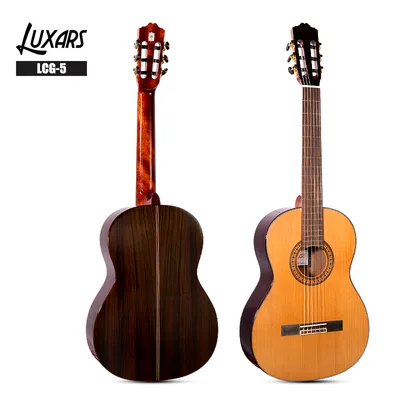
Plan a classical guitar range around real learner fit, repeatable product identity and clearly defined school or retail roles. Size labels such as 1/2, 3/4 and full size are useful categories, but they are not universal measurements or automatic age recommendations. Compare actual dimensions and involve the learner and instructor where possible.
1. Separate school and retail priorities
| Decision | School priority | Retail priority |
|---|---|---|
| Fit | Learner reach and teaching requirements. | Clear comparisons and assisted fitting. |
| Continuity | Identifiable instruments and repeat specifications. | Explainable alternatives and step-up differences. |
| Records | Asset identity, assignment and maintenance. | Accurate listings, contents and support information. |
Define the program or customer before selecting models. A school class, private teaching studio and specialist retailer may need different size coverage and support. No generic quantity mix suits them all.
2. Use size labels with documented dimensions
Record model code, scale length, nut width, body dimensions and total length. Yamaha’s School Series illustrates fractional and full-size choices, but its labels do not establish another brand’s measurements. Compare seated reach, fretting position, arm support and access to tuners. Revisit the fit when the learner or teaching requirements change.
3. Confirm the nylon-string specification
Use the exact model’s dated record for top, back, sides, neck, fingerboard, bridge, finish, tuning machines and string type. Confirm recommended replacement strings, included items and packaging identity. Add pickup, preamp, power and output fields only when the instrument has them. Do not borrow measurements or materials from a similar model.
4. Define progression locally
Entry, continuity, step-up and amplified roles may be useful when the teaching program or customer demand justifies them. Specify what changes in fit, construction, hardware or function and let the instructor and learner evaluate the relevant difference. Do not prescribe a universal price or material ladder.
5. Calculate quantities from current records
Count usable instruments by model and size, learners needing a different fit, repairs, shared versus assigned instruments and planned enrollment. Separate replacement from expansion. Any contingency should have a documented reason. Retail quantities should follow actual fitting requests and sales evidence rather than a generic percentage.
6. Match accessories and care
Confirm case dimensions, replacement-string type, stand fit, support or footstool arrangements and relevant manufacturer care instructions. State included and optional items separately. The LCG-5 cover is an actual model photograph, not evidence of size suitability, package contents or an entire school’s approved specification.
7. Keep receiving and service traceable
Reconcile cartons, models, sizes and visible condition before assignment. Follow appropriate handling guidance and record tuning operation, fret condition, bridge, finish, action observations and contents. Keep asset reference, receipt date, issue photographs, corrections, string changes, assignment and return-to-service date together. Structural concerns need qualified assessment rather than distribution to learners.
Plan a classical range with Luxars Music
Send market, learning context, size requirements and missing fields to sale@luxarsmusic.com. Request exact model records before confirming fit, quantities or repeat orders.
Related buyer guides
Classical and steel-string comparison · Beginner-to-intermediate range · Receiving inspection
Further reading
Yamaha School Series: size category examples
 English