
Electric guitar pickup configurations are one of the clearest ways to give models different roles in a retail assortment. SSS, HSS and HH are not simply technical labels. They help staff and buyers understand the pickup types installed, the switching options available and the likely use cases to demonstrate.
They are not complete tone guarantees. Pickup construction, position, wiring, control values, strings, amplifier settings, effects and the player all affect the result. Retail planning should therefore use configuration as a comparison starting point and verify the actual model through its specification and sample.
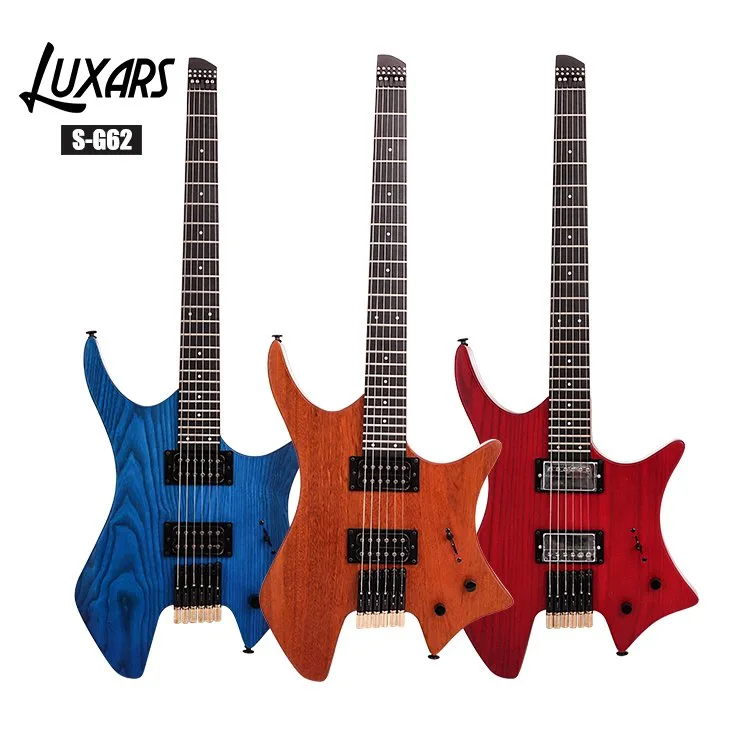
Read the configuration code correctly
In common retail shorthand, S means single-coil and H means humbucker. The letters normally run from the neck position toward the bridge. SSS therefore indicates three single-coils, HSS combines a neck and middle single-coil with a bridge humbucker, and HH uses two humbuckers.
The code does not tell the whole story. A buyer should also confirm pickup identity, magnet and winding information when provided, selector positions, coil-split or series/parallel functions, active or passive operation and the number and function of controls. Similar-looking layouts can behave differently.
Compare the main retail roles
| Layout | What it gives the assortment | Questions to verify |
|---|---|---|
| SSS | Three single-coil positions and a familiar platform for clean, bright and position-sensitive demonstrations | Selector positions, noise expectations, pickup balance and control layout |
| HSS | A bridge humbucker plus two single-coils, often useful as a broad middle role between SSS and HH | Bridge output balance, split functions, selector logic and model positioning |
| HH | Two humbuckers with a simpler position story and a strong contrast to an SSS model | Switching, coil split, individual or shared controls and output balance |
| Other layouts | P90-style, HSH, SSS with noiseless designs, active systems or specialized wiring | Whether the difference is visible, explainable and supported by reliable documentation |
Fender’s educational material describes single-coils as commonly associated with clearer high-frequency response and humbuckers as two-coil designs developed to reduce unwanted hum, with a fuller, higher-output character. Those descriptions help explain broad differences, but they should not be turned into absolute claims for every pickup or guitar.
Map configurations to buyer needs
A retail assortment works better when each configuration answers a defined buyer question. Start with the channel, expected playing contexts and the level of explanation staff can provide.
- First electric guitar: prioritize clear controls, reliable setup information and an understandable switching layout.
- Broad-use model: an HSS arrangement may provide visibly different neck, middle and bridge roles, but the actual wiring must be demonstrated.
- Two-humbucker alternative: use HH to create a genuine functional contrast, not merely another colour.
- Specialist model: stock unusual layouts only when staff, content and product data can explain why they exist.
- Online listing: show pickup close-ups, selector positions and control functions in both images and text.
The configuration is one input within a larger assortment. Body construction, bridge type, neck profile, scale length, controls, finish and price role also matter. Use electric guitar assortment planning for music retailers to connect pickup choices with the rest of the range.
Build product tiers around real differences
Good-better-best tiers should not be created by assuming one pickup layout is universally superior. A better approach is to define the role of each model and document what changes from one tier to the next.
- Entry role: clear identity, simple control explanation and consistent setup.
- Step-up role: a meaningful change in pickup layout, switching, hardware, finish or playing specification.
- Specialist role: a distinct configuration supported by demonstration content and trained staff.
If two models share the same layout and nearly the same controls, the page should make the remaining difference clear. Otherwise the range may contain overlapping SKUs that compete with each other. Our guide to building a beginner-to-intermediate guitar product range explains how to assign each SKU a practical job.
Create a repeatable comparison record
For each model, record the configuration in a consistent table. The goal is to let purchasing, merchandising, training and support teams use the same information.
- model code and specification revision;
- pickup type and position;
- active or passive operation;
- selector type and the result of every position;
- volume, tone and additional switch functions;
- coil split, tap, phase or series/parallel behaviour when present;
- power source and access point for active systems;
- sample test notes and approved product images;
- package contents such as cable, tools or battery information where applicable.
Do not infer wiring from appearance. Test every switch and control on the approved sample and reconcile the result with the specification. See how to evaluate guitar specifications before a wholesale order for a broader approval workflow.
Plan the retail display and product page together
A wall display should make the configurations easy to compare. Place models with intentionally different roles close enough for staff to demonstrate them, and use short factual labels rather than genre stereotypes. On the product page, include a clear front image, a pickup-area close-up and a control diagram or written selector table.
Staff training should use the actual models and amplifier settings. A useful demonstration moves through each selector position at matched levels, explains any added switch and notes normal noise behaviour without declaring one layout “better.” The aim is to match a player’s use case, not to force every buyer toward the most expensive option.
Avoid common assortment mistakes
- Do not describe pickup codes without explaining the selector and controls.
- Do not assume two humbuckers always produce the same output or response.
- Do not promise a genre-specific sound from configuration alone.
- Do not create tiers based only on colour when pickup and hardware roles overlap.
- Do not publish coil-split or active-electronics claims without verifying the model.
- Do not let product photos and specification tables show different layouts.
- Do not stock a specialist configuration without sales and support information.
Final pickup-configuration checklist
- Each SKU has a verified SSS, HSS, HH or other layout record.
- Pickup type, position and wiring functions are documented.
- The selector result is tested on the approved sample.
- The configuration creates a clear role in the assortment.
- Product tiers reflect meaningful differences rather than assumed superiority.
- Images show the actual pickup and control layout.
- Retail labels and product-page copy use the same terminology.
- Staff can demonstrate the positions without unsupported tone claims.
Conclusion
Pickup configuration is most useful when it connects product engineering to assortment logic. Read the code correctly, verify the real wiring, define each model’s retail role, document the controls and give staff an honest comparison method. That creates a range in which SSS, HSS, HH and specialist layouts are understandable choices rather than unexplained acronyms.
Discuss Your Electric Guitar Range
Planning an electric guitar assortment for distribution, retail or e-commerce? Send Luxars Music your target market, channel, intended product roles and required configuration fields through the inquiry form, WhatsApp +86 13620576554 or sale@luxarsmusic.com.
 English