
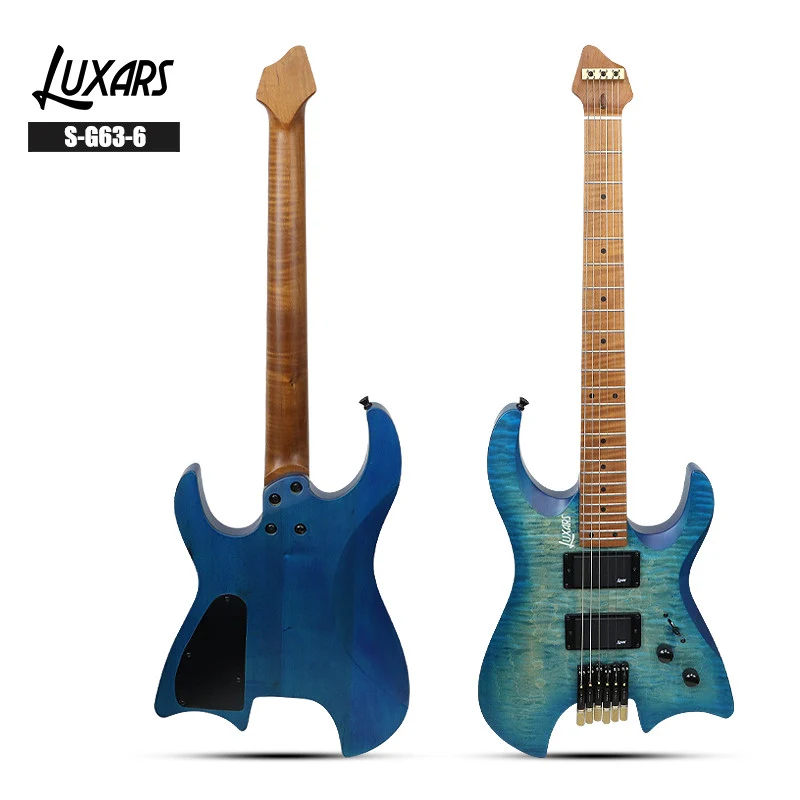
A guitar’s scale length describes its fret layout and nominal string length; overall length describes the whole instrument. Retailers need separate fields for both. Use scale length when comparing playing requirements, and measured body and overall dimensions when checking handling, cases or packing. An advertised acoustic size or a compact headless outline cannot supply the missing measurement.
Give each measurement a job
A customer asking for a smaller guitar may mean less reach, a shallower body, a lighter instrument or a case that fits a particular space. Start by asking which problem needs solving. Those requests lead to different checks, so a single size label is a poor substitute for a dimension record.
Keep the supplier’s nominal scale, advertised size and measured overall length in separate columns. Preserve the original units and identify whether a figure came from a specification or an individual sample. If your team has not measured an instrument, leave that sample field empty. A missing value is easier to resolve than a precise number copied from the wrong field.
Check the reference points before measuring
StewMac’s scale-length explanation uses the string’s departure edge at the nut and the centre of the 12th fret: double that distance. This is a reference check for a conventional straight-fretted instrument. Identify the sounding-length reference before applying it to another design.
Support the instrument securely and use a suitable rule without scraping the finish. Record the two endpoints, unit, sample identity and date. Take the reading along the intended string path; a diagonal photograph is not a substitute. If a zero fret, unusual nut arrangement or angled fret layout makes the reference uncertain, request the model’s drawing or instructions before entering a scale figure.
Keep the supplier’s nominal value beside your observation. A discrepancy calls for checking the endpoints, rounding and source revision. It does not establish a manufacturing fault. The existing intonation guide covers pitch comparisons and service handovers; this article concerns the dimensions entered in your selection record.
| Field | Reference to record | Decision it supports |
|---|---|---|
| Nominal scale length | Exact model, supplier value, unit and revision | Comparing the specified string layout |
| Sample scale check | Conventional straight-fret layout; defined sounding-length reference, 12th-fret centre and method | Clarifying an incomplete dimensional record |
| Overall and body dimensions | Defined endpoints, width, depth and sample identity | Handling and case enquiries |
| Setup context | Tuning, complete fitted gauges and relevant service notes | Making a playing comparison interpretable |
| Packed dimensions | Actual case or carton reference and packing arrangement | Planning storage and transport separately |
Use the published model value accurately
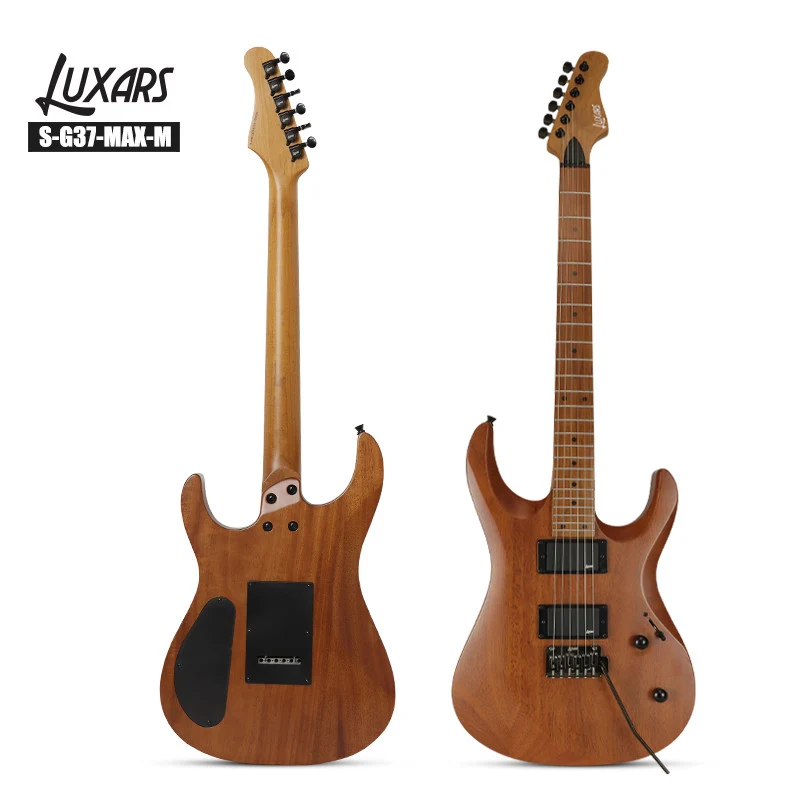
The LUXARS S-G37-MAX-M-N specification states 648 mm / 25.5 inches. Keep those published values with that exact model. They do not establish its overall length, case dimensions or the scale of a related model with another suffix.
Supplier specifications may present rounded equivalents in different units. Retain the source wording and avoid relabelling a rounded pair as a precision measurement. When a buying decision needs tighter dimensional detail, ask for the drawing or a documented sample measurement with its method. A photograph showing a complete guitar still does not provide a calibrated measuring scale.
Compare playing tasks under stated conditions
Ask the player to use passages they actually need: a familiar chord change, a reach between positions or a short single-note line. Note which sample they played and what they found comfortable or difficult. Keep their observations separate from the published dimension. One player’s preference is useful for that enquiry, but it is not a universal fit recommendation.
Record tuning and the complete fitted string set before comparing instruments. If the samples use different strings or setups, make those differences visible on the comparison card. Staff can explain the published scale without attributing every change in feel to that one number. A requested tuning or gauge change belongs in a model-specific setup assessment.
Keep case fit and packing separate
A scale figure cannot establish whether a guitar fits an existing case. For that enquiry, use the body outline, overall length, depth, headstock clearance and the case maker’s applicable dimensions. A compact body can still require a particular support arrangement. Refer to the case-fit checklist before promising compatibility.
Record packed dimensions only after identifying the actual case, bag or carton and its arrangement. Do not copy an instrument dimension into a shipping field. A customer may need both a playing comparison and a storage answer; give each answer its own evidence rather than trying to make the scale specification serve both purposes.
Questions during a scale-length comparison
Does a 36-inch acoustic label mean a 36-inch scale?
No. Keep the advertised size and scale in different fields. The acoustic-size guide explains how nominal labels relate to the additional dimensions a buyer should request.
Can the nut-to-saddle distance replace the nominal scale value?
Record it as a measurement with named endpoints. Saddle positions can include intonation compensation, so do not silently substitute that reading for a supplier’s nominal scale specification.
Does a headless photograph prove a shorter scale?
No. Request the exact model’s scale specification. The outline and the string layout answer different questions.
Send a dimension enquiry your team can use
Shortlist models from the electric guitar collection and send the model references, intended tuning and the dimensions your decision needs to sale@luxarsmusic.com. Include an existing case reference when relevant. Ask for missing measurements before confirming a fit or recording a value in your listing.
 English